Mose W. Richburg
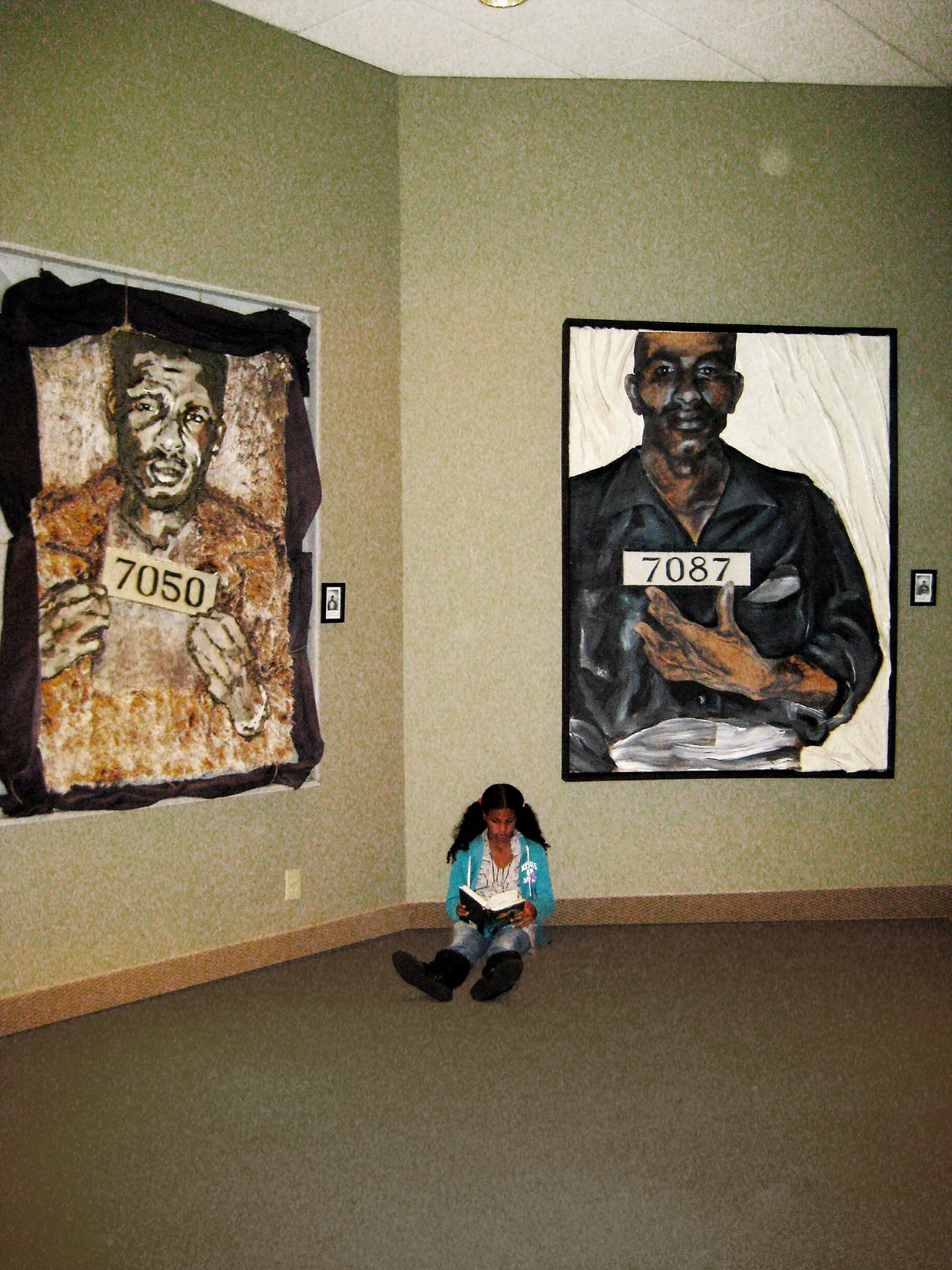
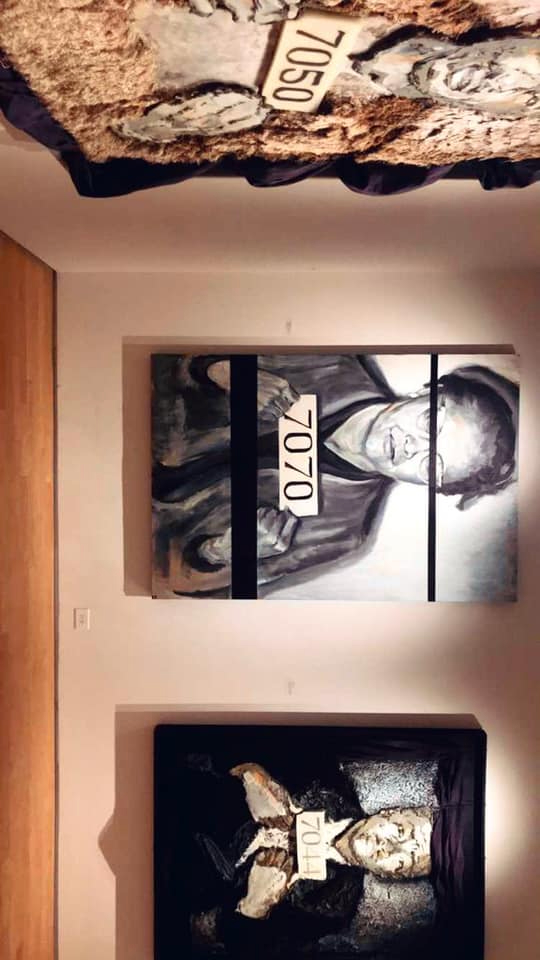
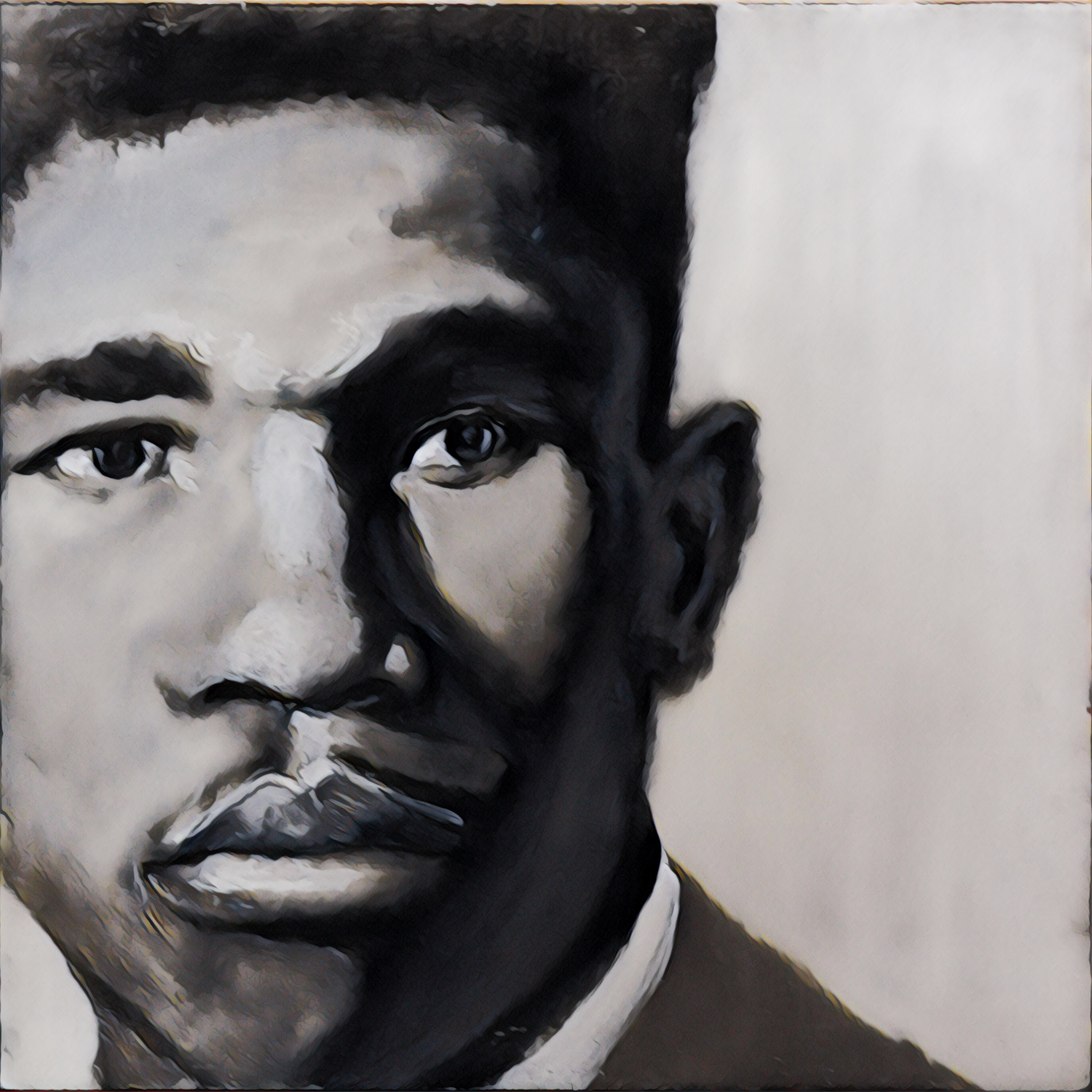
1956. Booked in Montgomery during the bus boycott and filed as 7050. He was not a leader and never meant to be a figure — he simply stayed off the buses. The number is what the state left us; the name is what the dial gives back.
My Father's Silver
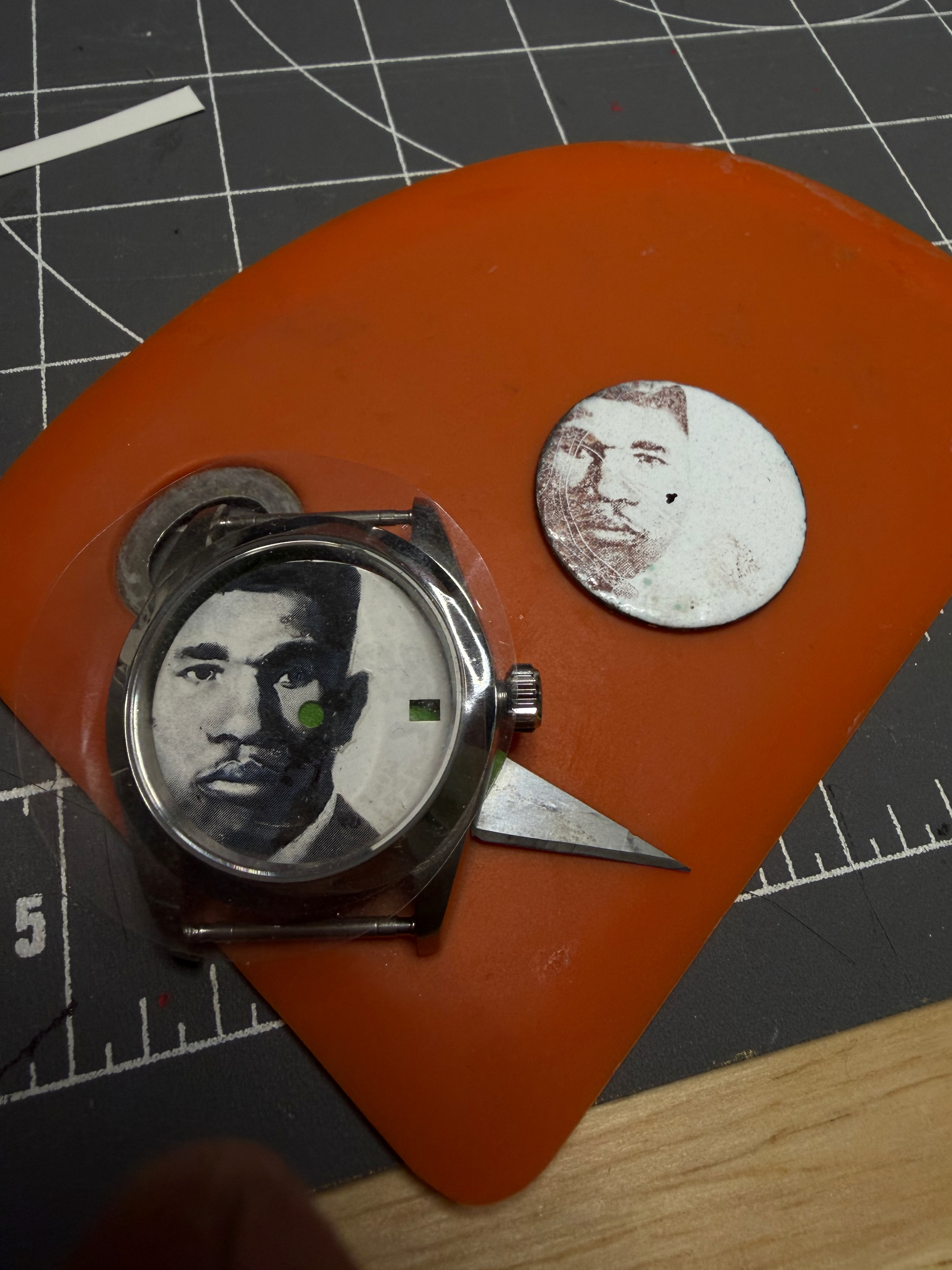
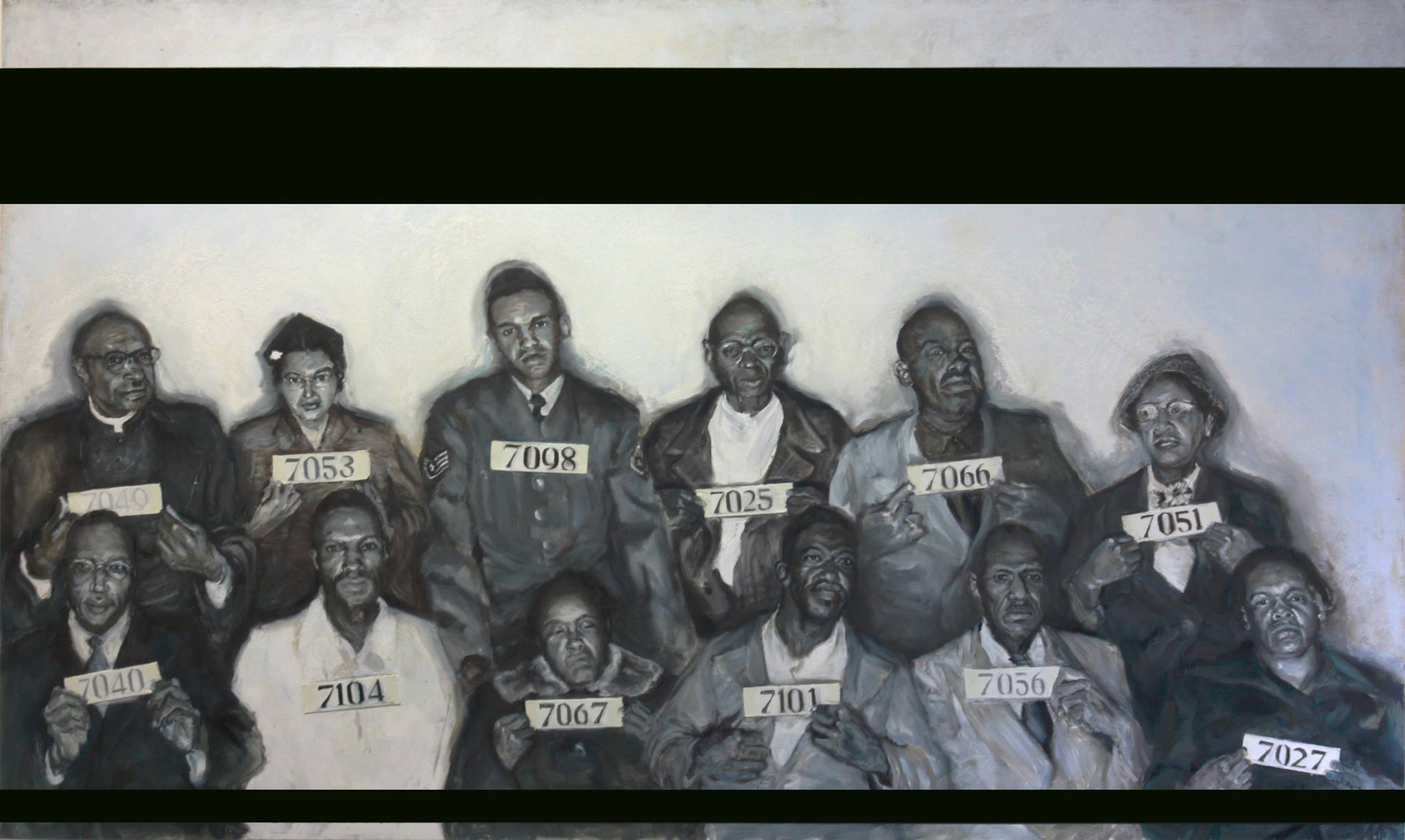
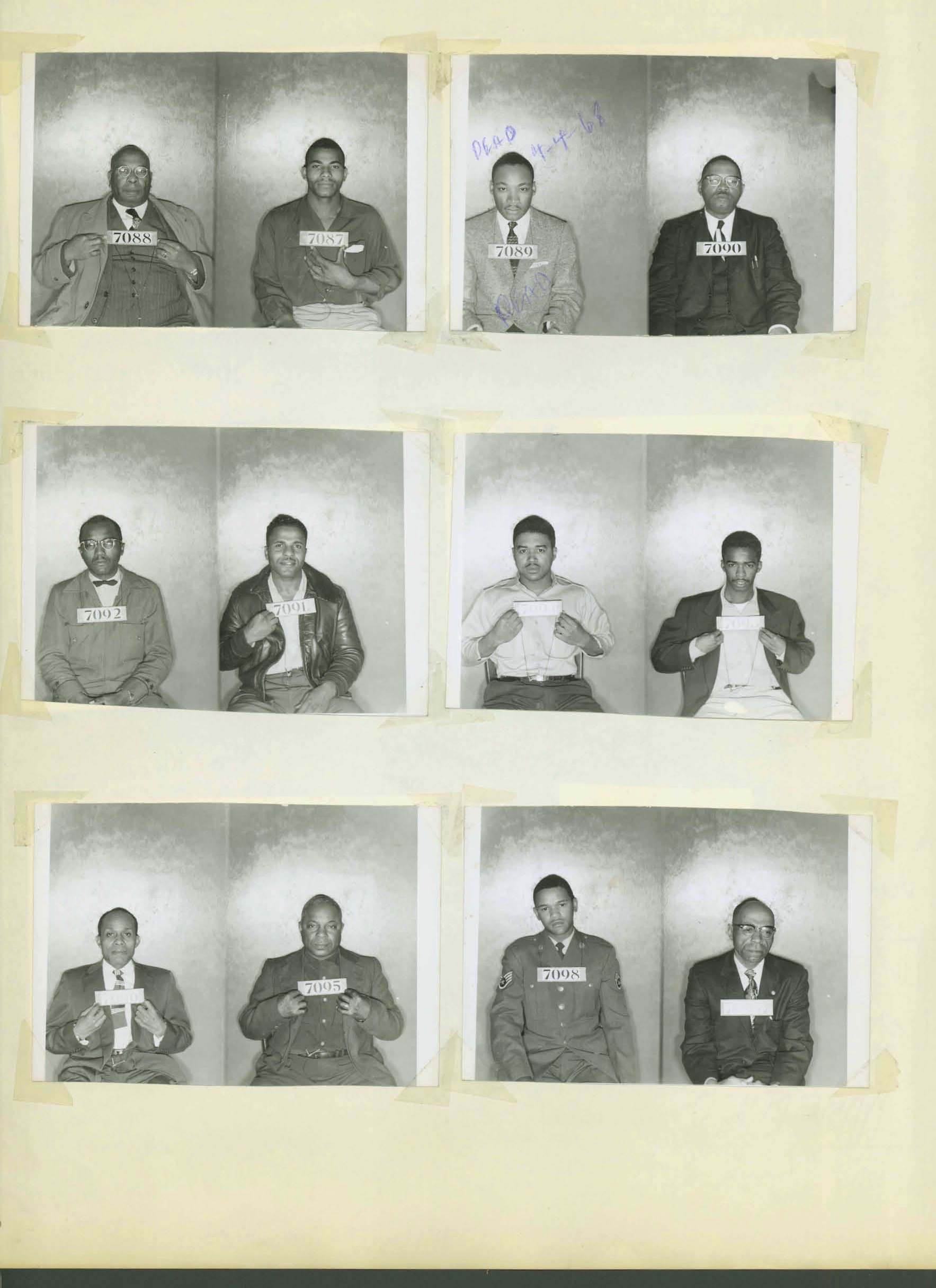
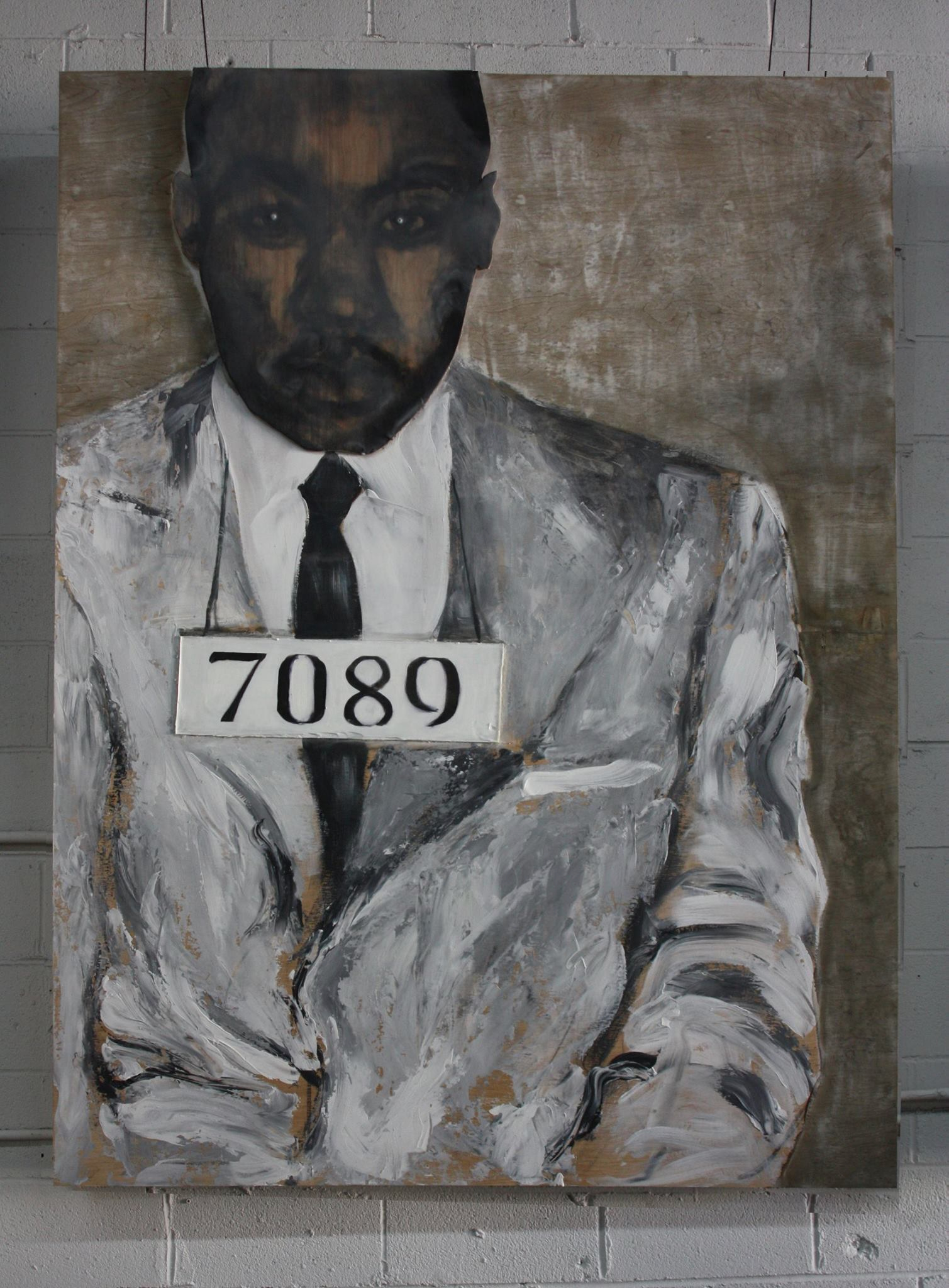
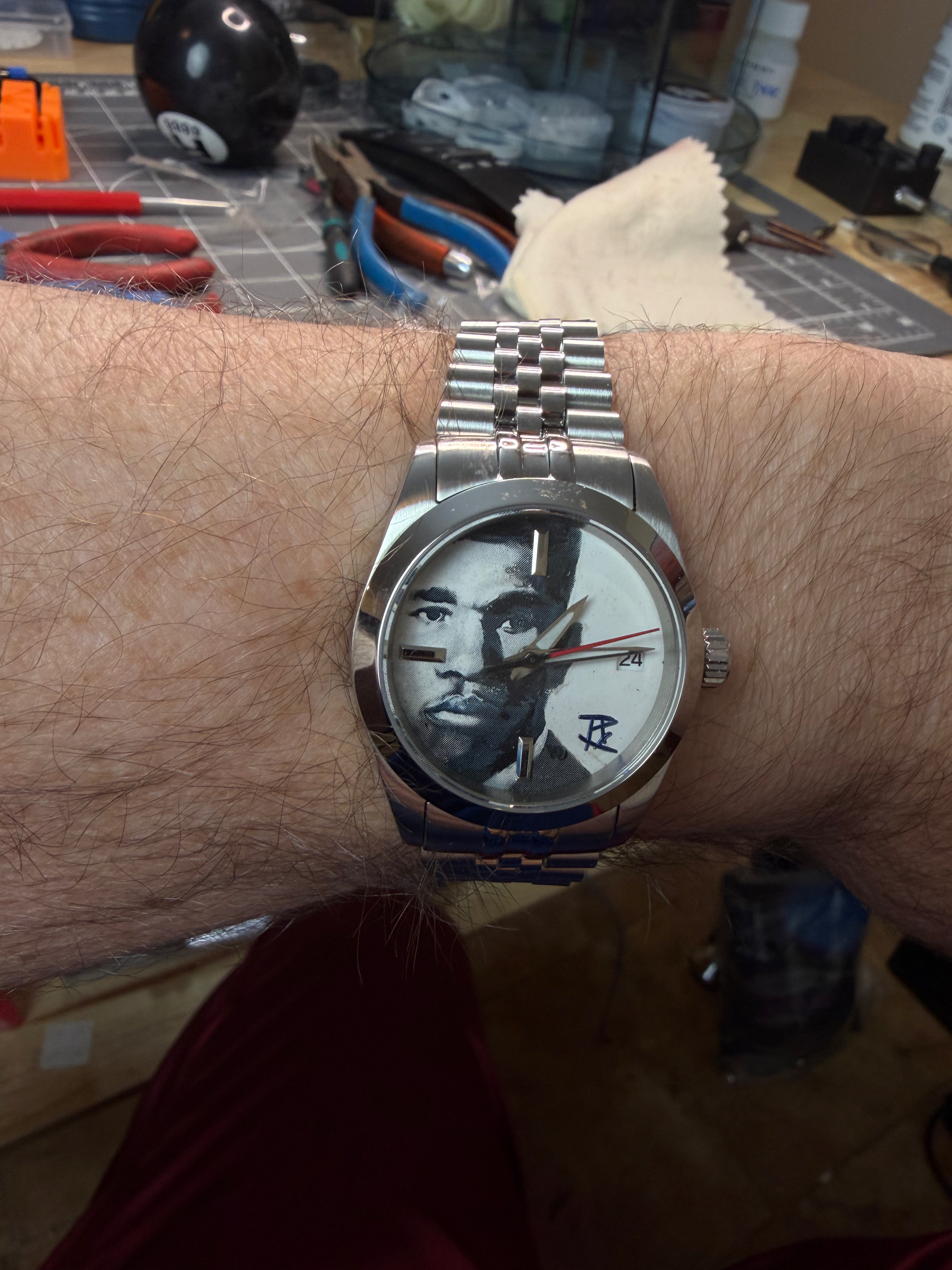
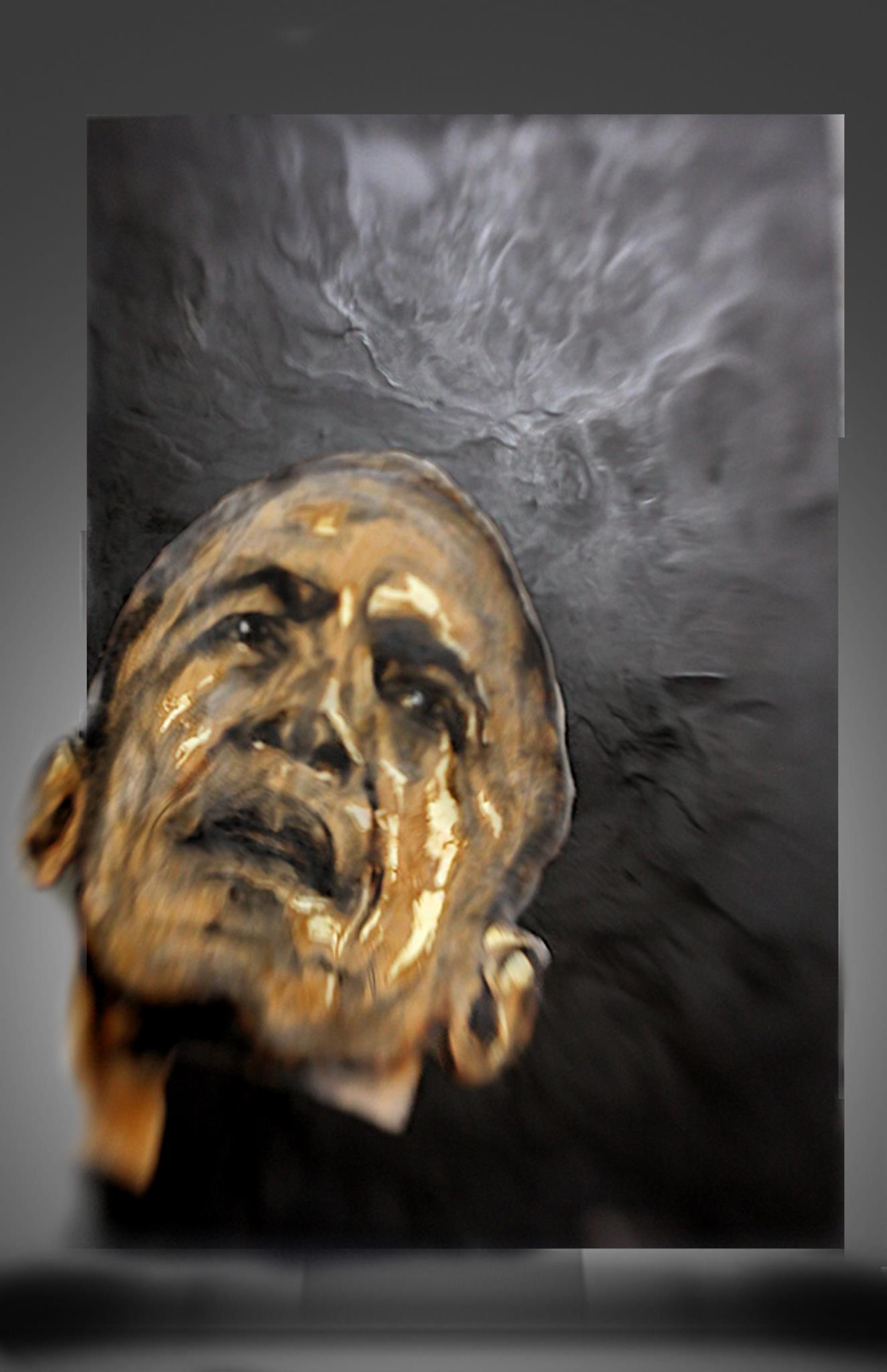
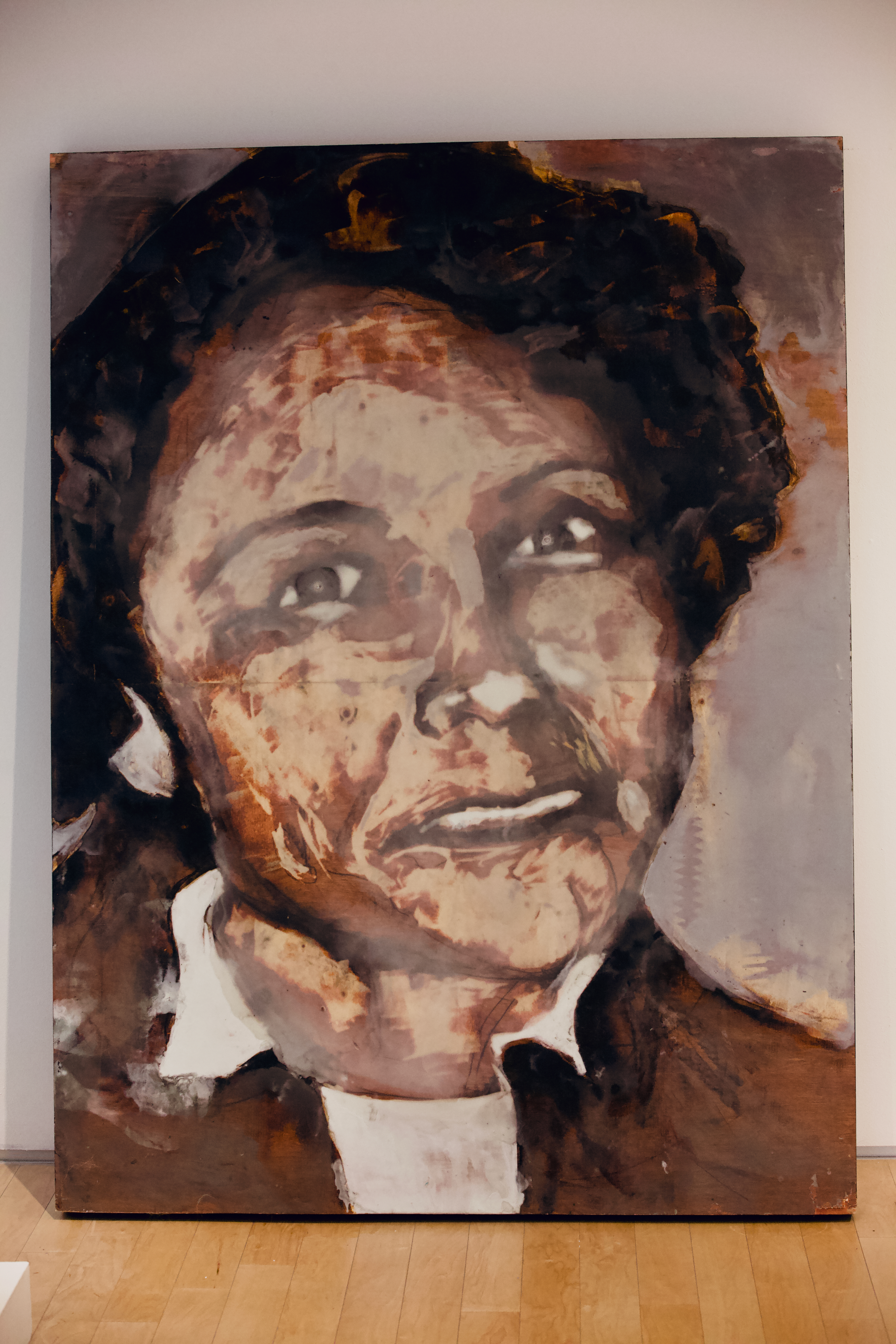
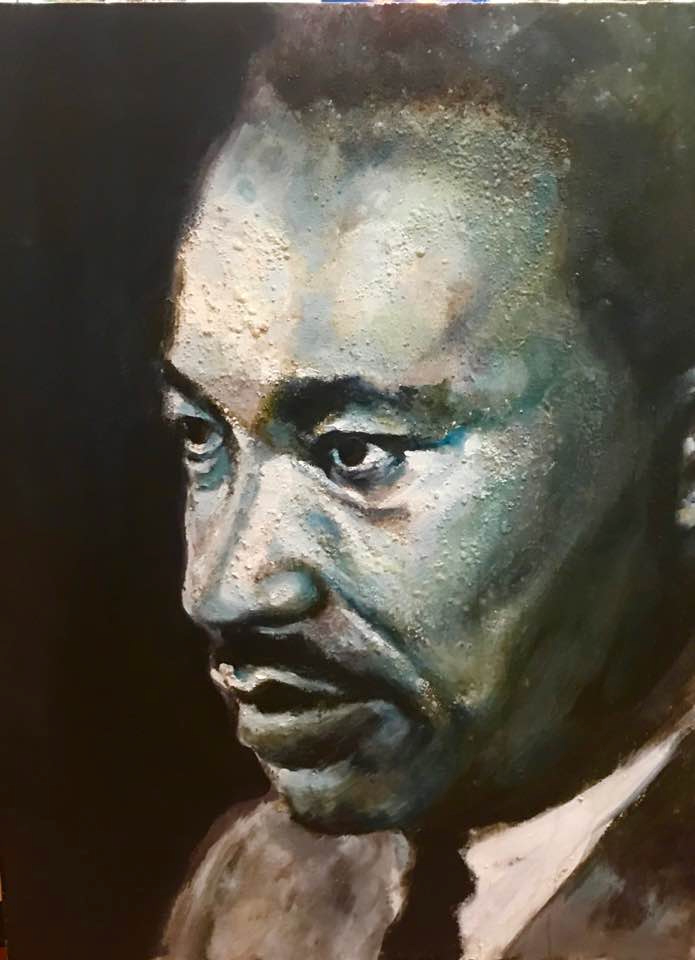
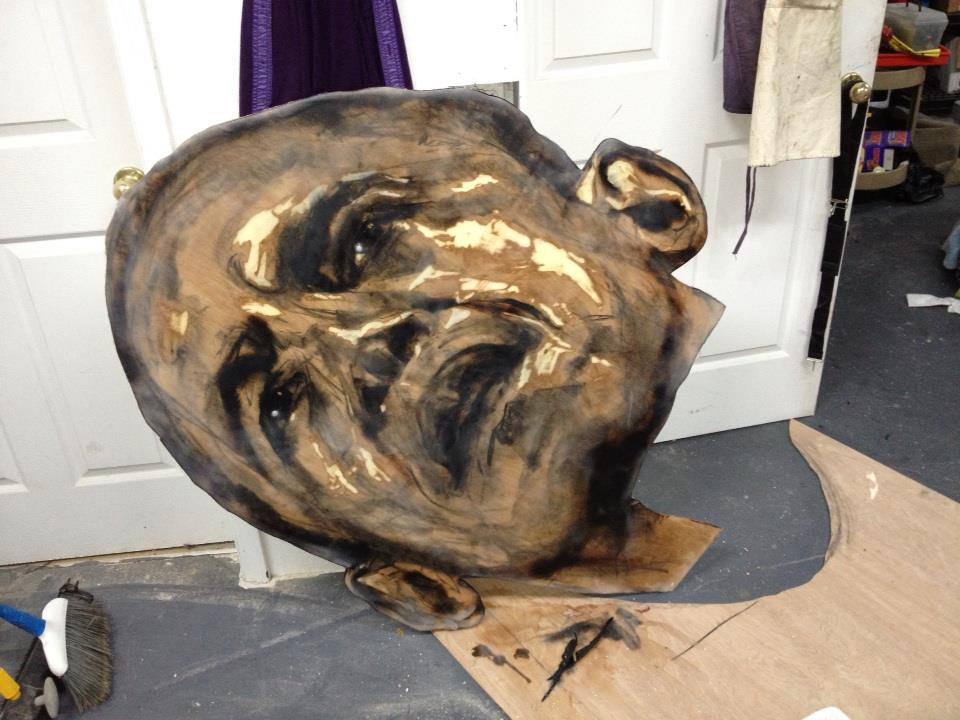
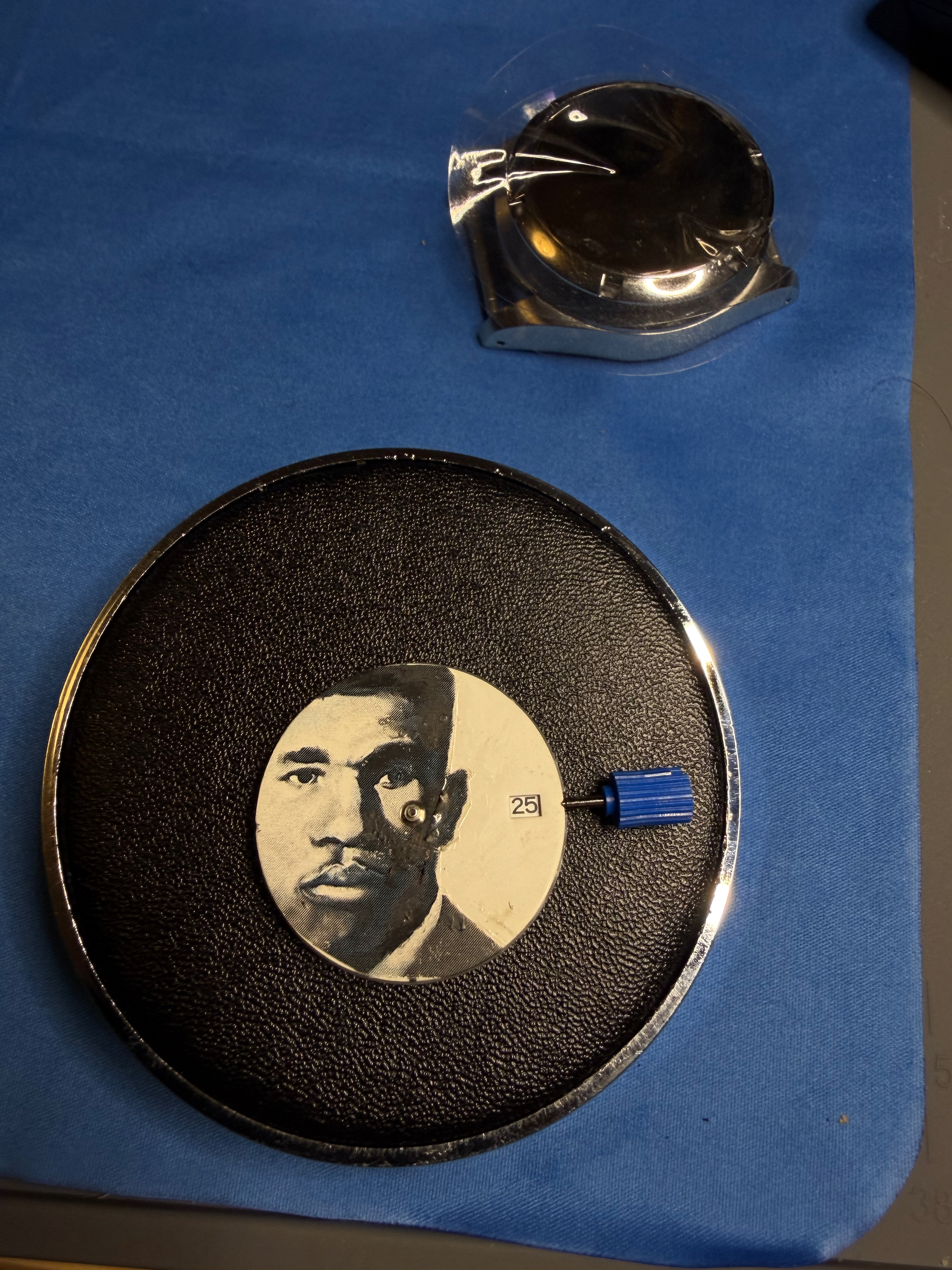
The paintings came first. Four-by-seven-foot panels, scorched and ground and built up in encaustic wax, charcoal, screws and shaved wool rug — every face a Montgomery booking photograph, every title the number the county gave them. The dials come out of these.
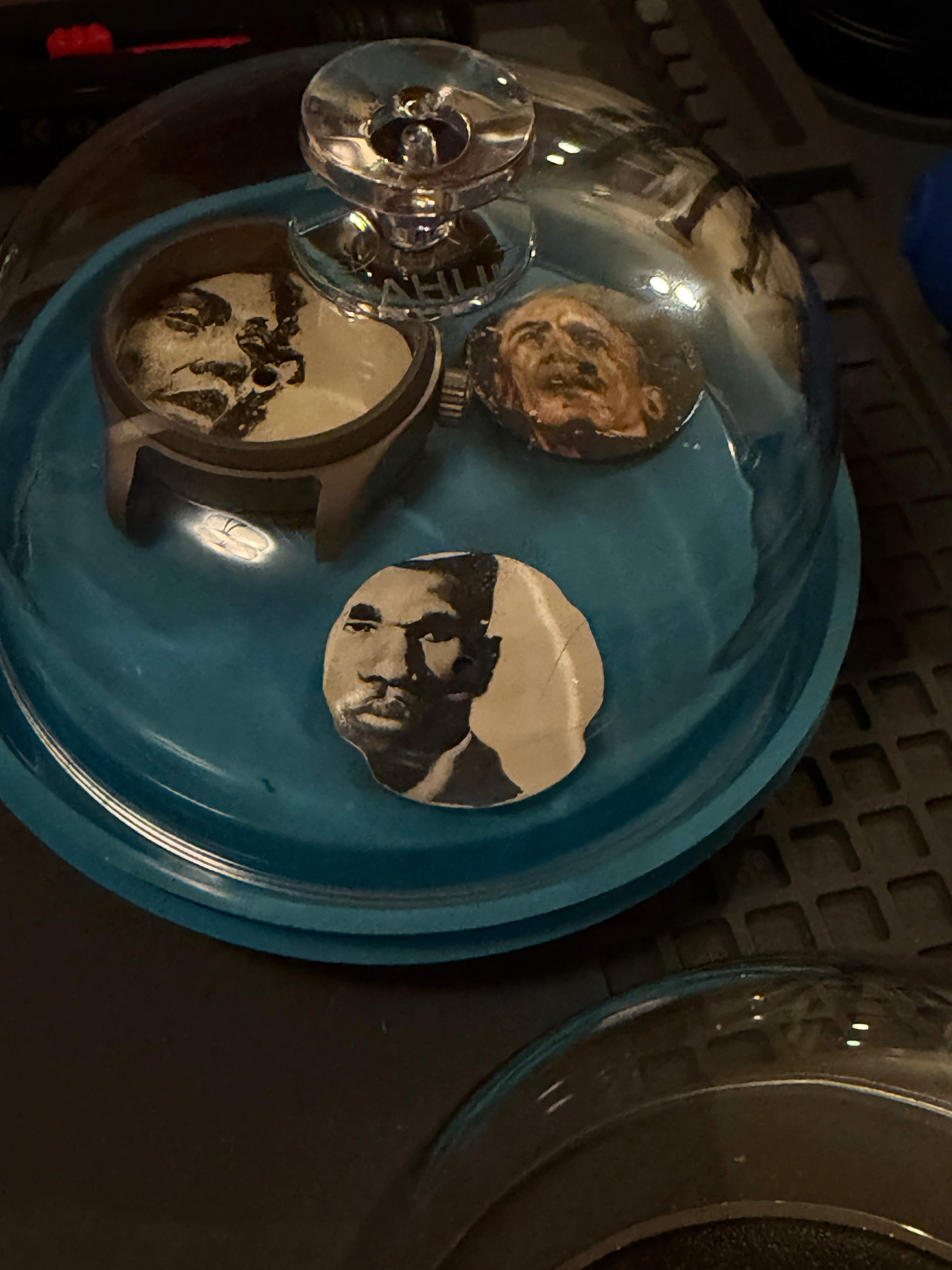
Three steps, and the county's number survives all of them.
Shown at Gallery 72, the City of Atlanta's gallery downtown.
Most of these faces were never famous. They were booked in Montgomery and titled by number, and that is how the paintings are titled too. Each dial takes its image from the canvas I made of them; the caseback carries the number or the name.
1956. Booked in Montgomery during the bus boycott and filed as 7050. He was not a leader and never meant to be a figure — he simply stayed off the buses. The number is what the state left us; the name is what the dial gives back.
1963. Mississippi field secretary for the NAACP — he investigated Emmett Till’s murder and organised voter registration under constant threat. He was shot in his own driveway in Jackson. Two hung juries let his killer walk; the conviction took thirty-one years.
1956. Her house in Montgomery was bombed with her infant daughter inside, and she stayed. Widowed by an assassin in 1968, she led the Memphis march four days later and spent the next four decades building the movement’s memory into law.
One piece at a time, so the list is short and the wait is honest. Write with a name, a number, or a photograph.
{{ inquiryEmail }}